

Why You Should Avoid Palm Oil in Food — And Why Sweet Nuthings Is the Smarter Spread
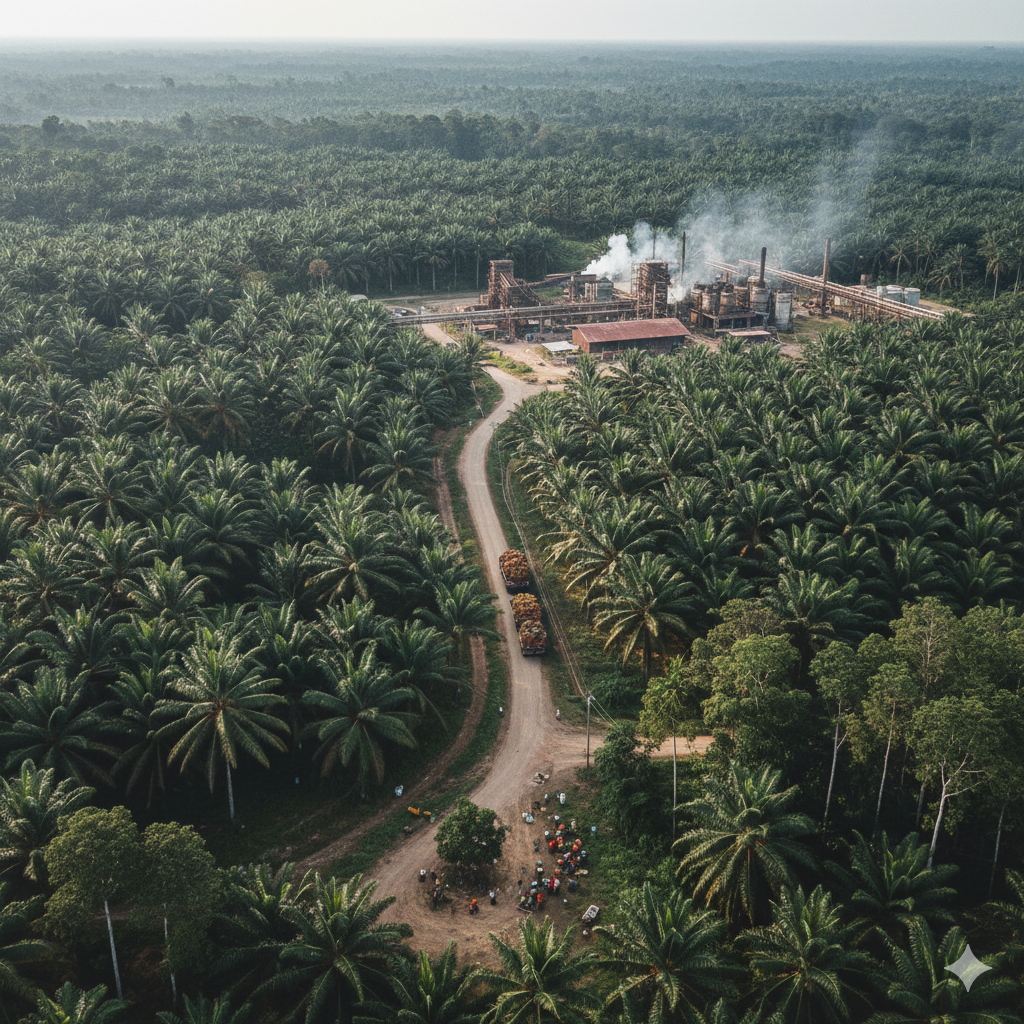
If you've ever flipped over a jar of chocolate hazelnut spread and squinted at the ingredient list, you've almost certainly spotted it: palm oil. It's nestled quietly between sugar and cocoa, easy to overlook, but the impact of that one ingredient is anything but small. Understanding why you should avoid palm oil in food is one of the most meaningful steps a health-conscious or eco-conscious consumer can take. And once you know what's at stake, finding a genuinely palm oil free chocolate hazelnut spread like Sweet Nuthings becomes less of a preference and more of a priority.
What Is Palm Oil — And Why Is It Everywhere?
Palm oil is a vegetable oil extracted from the fruit of oil palm trees, primarily grown in Indonesia and Malaysia, which together account for roughly 85% of global production. It's cheap, shelf-stable, and incredibly versatile, which is why it's found in nearly 50% of all packaged food, cosmetics, and household products on supermarket shelves today.
The problem? What makes palm oil convenient for manufacturers makes it devastating for everything else.
Why You Should Avoid Palm Oil in Food
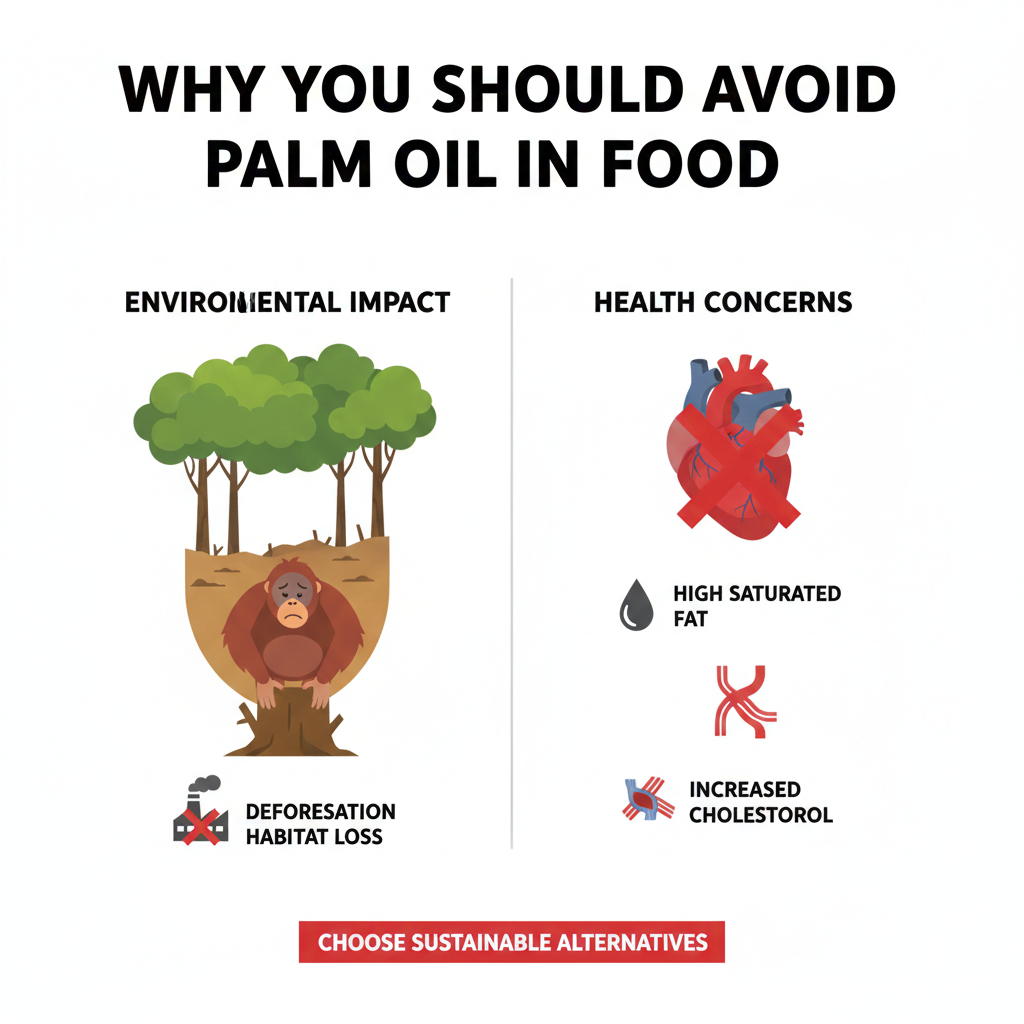
1. It's Linked to Heart Health Concerns
Palm oil is high in saturated fat — specifically palmitic acid — which research has associated with raising LDL ("bad") cholesterol levels. While it's not as harmful as trans fats, nutritional experts generally recommend limiting saturated fat intake, particularly from highly processed sources. When you're reaching for a chocolate hazelnut spread to enjoy on toast or fruit, the last thing you want is an ingredient quietly working against your cardiovascular health.
A healthy hazelnut spread without palm oil sidesteps this concern entirely, letting you enjoy the rich, nutty goodness without the added saturated fat baggage.
2. Palm Oil Production Is Destroying Rainforests
This is where the stakes get truly alarming. Palm oil plantations have been directly linked to the destruction of tropical rainforests across Southeast Asia. Over 30 million hectares of land are currently used for palm oil cultivation — an area nearly twice the size of Italy. As forests are cleared to make way for plantations, carbon stored in trees and peatlands is released into the atmosphere, accelerating climate change.
A 2012 study found that Indonesia deforested nearly twice as much land as Brazil in that year alone — a trend driven significantly by palm oil expansion. One-fifth of forest fires in Southeast Asia can be traced back to palm oil plantation development.
3. It Threatens Endangered Species
Orangutans, Sumatran tigers, pygmy elephants — these are just a few of the critically endangered species losing their habitat to palm oil plantations. Studies show that palm oil cultivation reduces biodiversity by up to 80% compared to the rainforests it replaces. When you buy products containing palm oil, you're indirectly participating in an industry that pushes some of the world's most iconic animals closer to extinction.
4. "Sustainable" Palm Oil Isn't Always What It Seems
You may have seen the RSPO (Roundtable on Sustainable Palm Oil) certification on some products and felt reassured. But Greenpeace and other environmental watchdogs have reported that some RSPO-certified members are still linked to deforestation, land grabs, and fires. The certification, while a step in the right direction, has significant enforcement gaps. Choosing a product that simply doesn't contain palm oil at all is a far more reliable path to making an ethical purchase.
5. It Exploits Vulnerable Communities
Palm oil production doesn't just harm wildlife and ecosystems — it also displaces indigenous communities and small farmers who depend on the forests for their livelihoods. The industry has faced repeated scrutiny for labor abuses, land rights violations, and the unequal distribution of economic benefits among those who bear the greatest social and environmental costs.
Meet Sweet Nuthings: The Palm Oil Free Chocolate Hazelnut Spread You've Been Waiting For
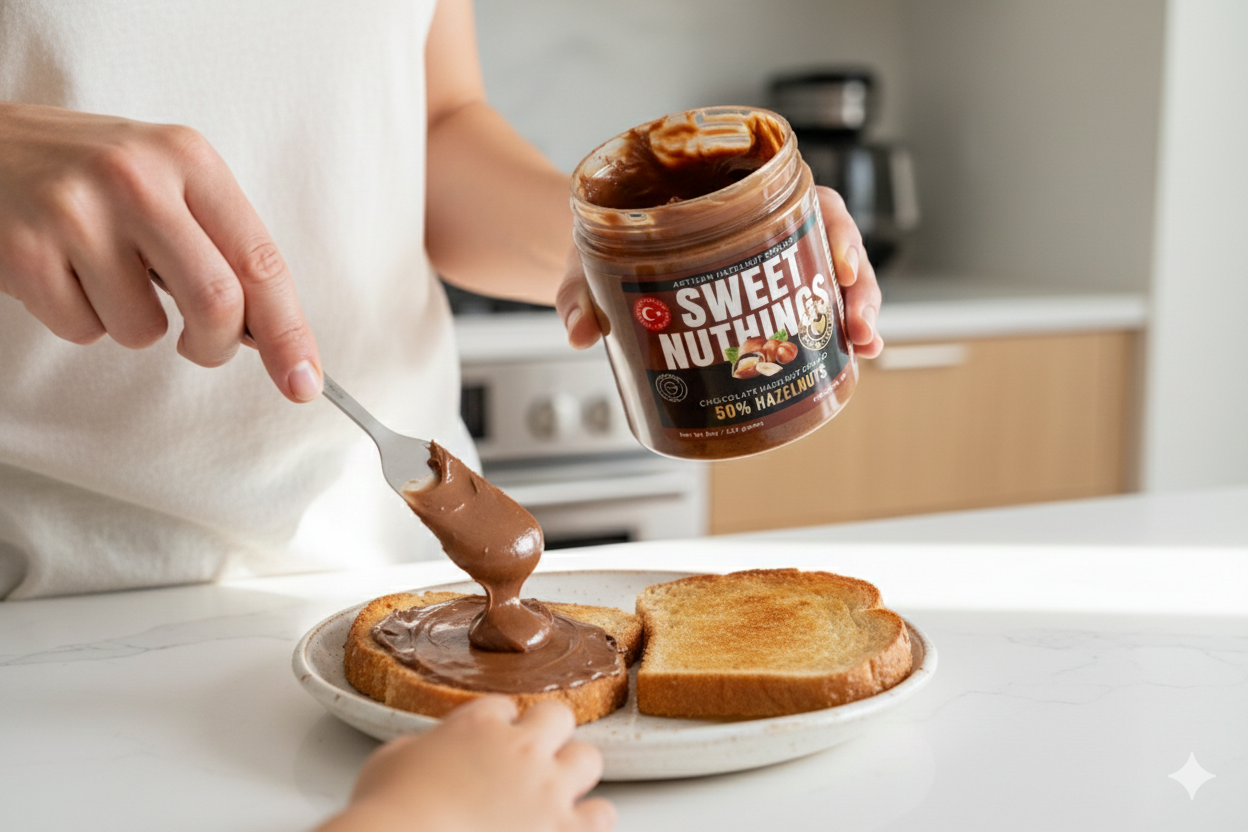
Here's the good news: you don't have to choose between indulgence and integrity.
Sweet Nuthings chocolate hazelnut spread contains zero palm oil. Full stop. Instead of relying on this cheap, harmful filler, Sweet Nuthings is crafted with wholesome, real ingredients that let the natural flavor of hazelnuts and chocolate take center stage — the way it was always meant to be.
When you choose Sweet Nuthings, you're choosing:
No palm oil — ever, in any form
Clean ingredients you can actually pronounce
A spread made for health-conscious eaters who don't want to compromise on taste
An environmentally responsible choice that doesn't fund deforestation
A product you can feel good about spreading on your morning toast, stirring into oatmeal, or sneaking off the spoon
The Healthy Hazelnut Spread Without Palm Oil That Actually Tastes Amazing
One of the biggest myths in the food industry is that "healthier" means "less delicious." Sweet Nuthings is proof that this simply isn't true. By using high-quality hazelnuts as the star ingredient and skipping the palm oil entirely, the result is a richer, more authentic chocolate hazelnut flavor that mass-market spreads — loaded with cheap oils and fillers — can't come close to matching.
Whether you're a parent trying to make smarter choices for your family, an eco-conscious shopper doing your part for the planet, or simply someone who wants a better-tasting spread, Sweet Nuthings delivers on every front.
Small Choices, Big Impact
Every jar of chocolate hazelnut spread you buy is a vote for the kind of food system and the kind of planet you want to support. When you reach for a palm oil free chocolate hazelnut spread like Sweet Nuthings instead of a conventional alternative, you're telling food manufacturers that you care about what goes into your food and what goes into the world around you.
The rainforests can't wait. The orangutans can't wait. And frankly, your taste buds deserve better too.
Make the switch to Sweet Nuthings today — a healthy hazelnut spread without palm oil that's as good for the Earth as it is for you.
👉 Shop Sweet Nuthings at sweetnuthings.com
Sources: USDA Palm Oil Data 2024/2025 | GreenMatch Environmental Report | Climate Central | Wikipedia — Social and Environmental Impact of Palm Oil
